
Author: Colfax Research
-
Optimization diaries: S/P ping-pong for FlashAttention-4 decode

LLM Inference is divided into a prefill phase and a decode phase. During prefill, the model processes a large number of input tokens and populates a key-value (KV) cache. During decode, it autoregressively generates one or a few new tokens at a time using the cached keys and values. In this blog post, we discuss… Go to article…
-
Optimization diaries: Improving FlashAttention-4 backward pass kernel design for head dimension 64
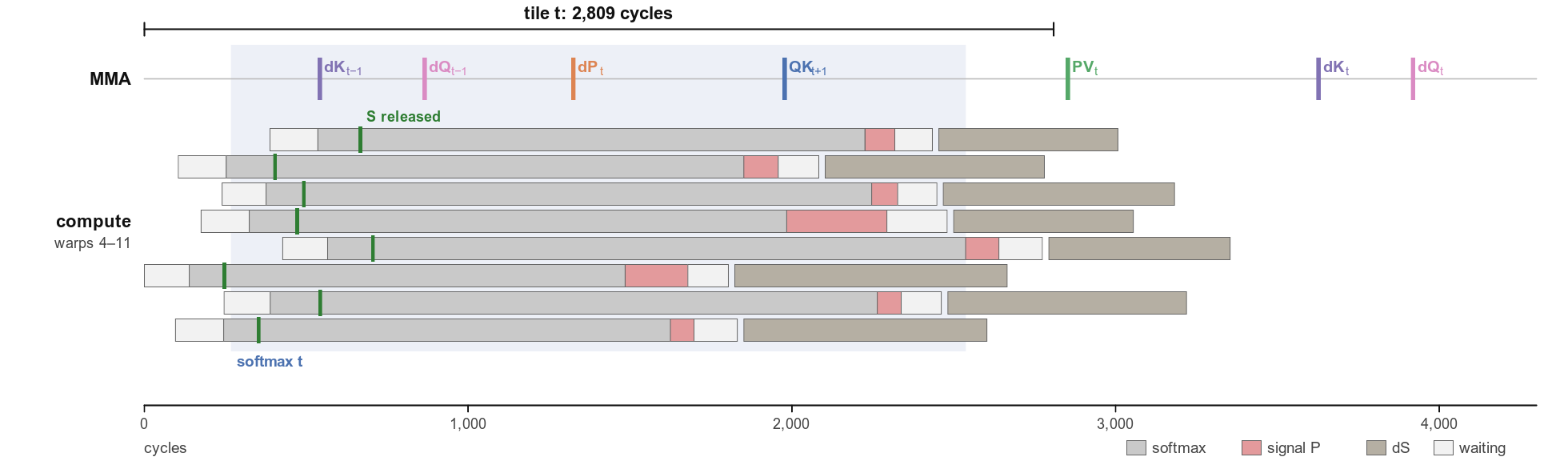
In this blog post we discuss the backward pass of FlashAttention-4 (FA4) on NVIDIA Blackwell GPUs. For head dimension 128, FA4 backward is highly performant, achieving 1237 TFLOP/s, or about 55% of peak compute throughput on a B200 GPU. However, at head dimension 64, the same kernel achieves only 30–37% of peak compute throughput for… Go to article…
-
Optimizing an NVFP4 Blockscaled GEMM on RTX PRO 6000 Blackwell GPU (SM120)
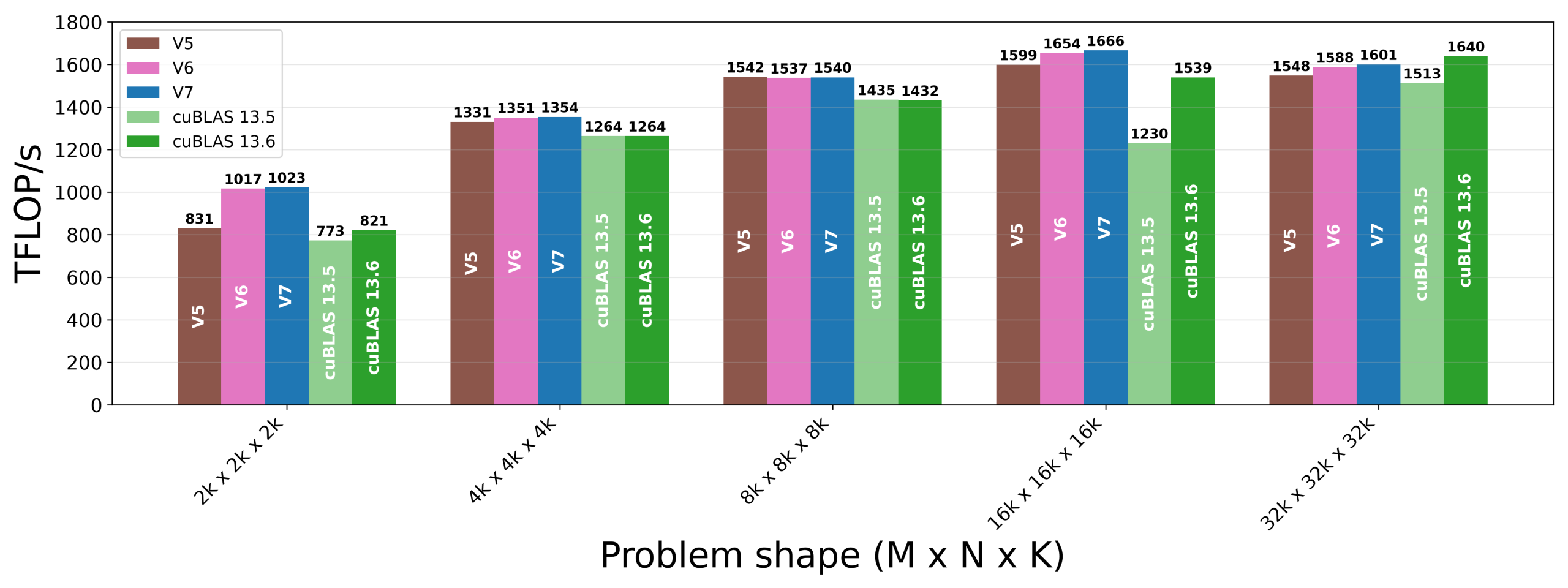
This article is a continuation of our series on NVFP4 blockscaling on SM12x GPUs. In Part 1, we covered relevant PTX instructions, scale-factor layout details, and implementation details in CuTe DSL, including how to convert a CUTLASS dense GEMM example into an NVFP4 blockscaled GEMM. In this article, we optimize the NVFP4 GEMM from Part… Go to article…
-
NVFP4 Blockscaled GEMM on NVIDIA RTX Pro Blackwell GPUs (SM12x)
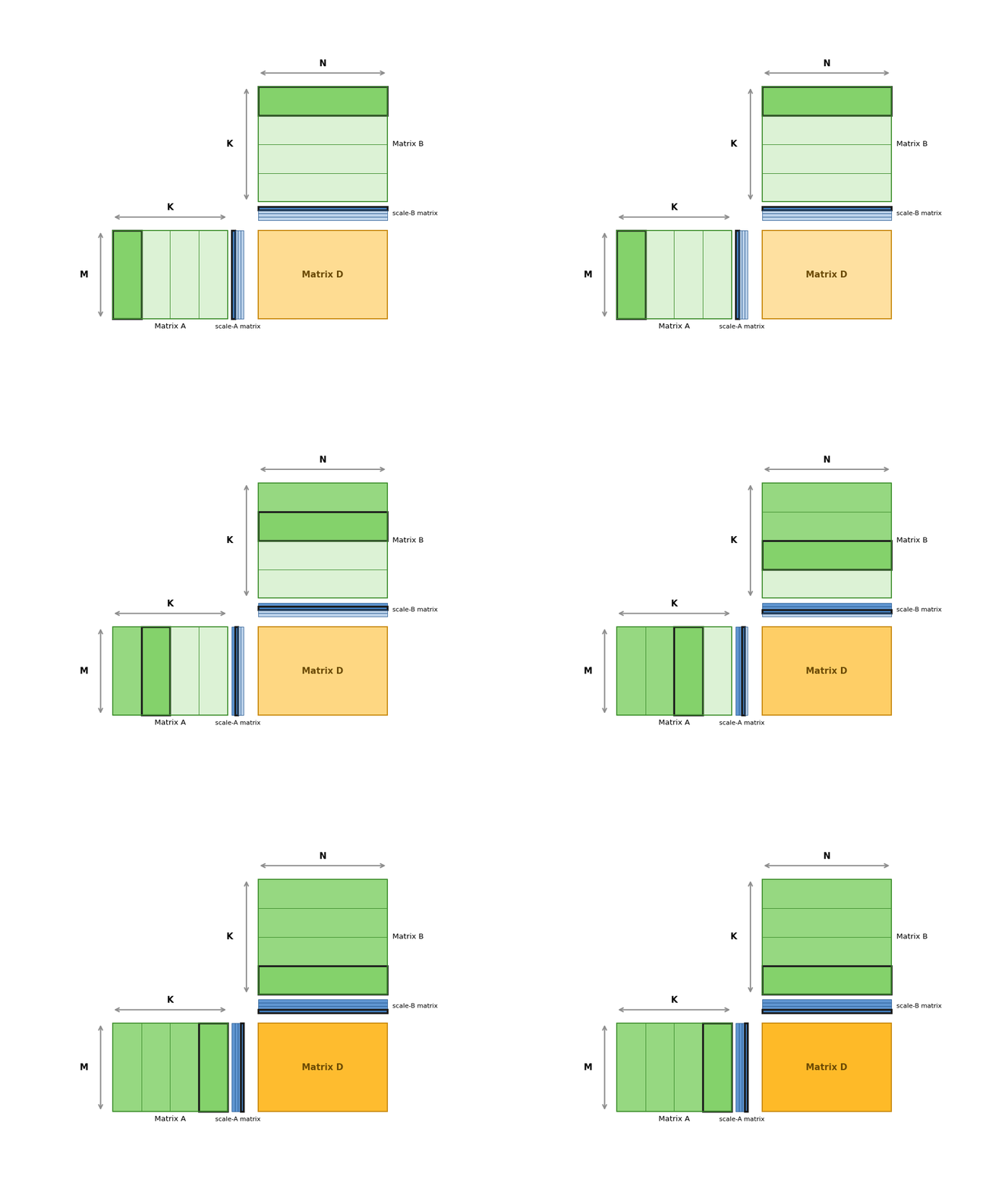
In this article, we explore hardware-supported NVFP4 blockscaled GEMM on SM12x GPUs, such as the NVIDIA RTX Pro 6000 Blackwell Server Edition (SM120) or NVIDIA DGX Spark (SM121). We will first discuss features of these GPUs and their kernel programming paradigm, situating them relative to SM10x (e.g. B200 or B300) and SM8x (Ampere/Ada). Then, we will… Go to article…
-
Dynamic persistent tile scheduling with Cluster Launch Control (CLC) on NVIDIA Blackwell GPUs
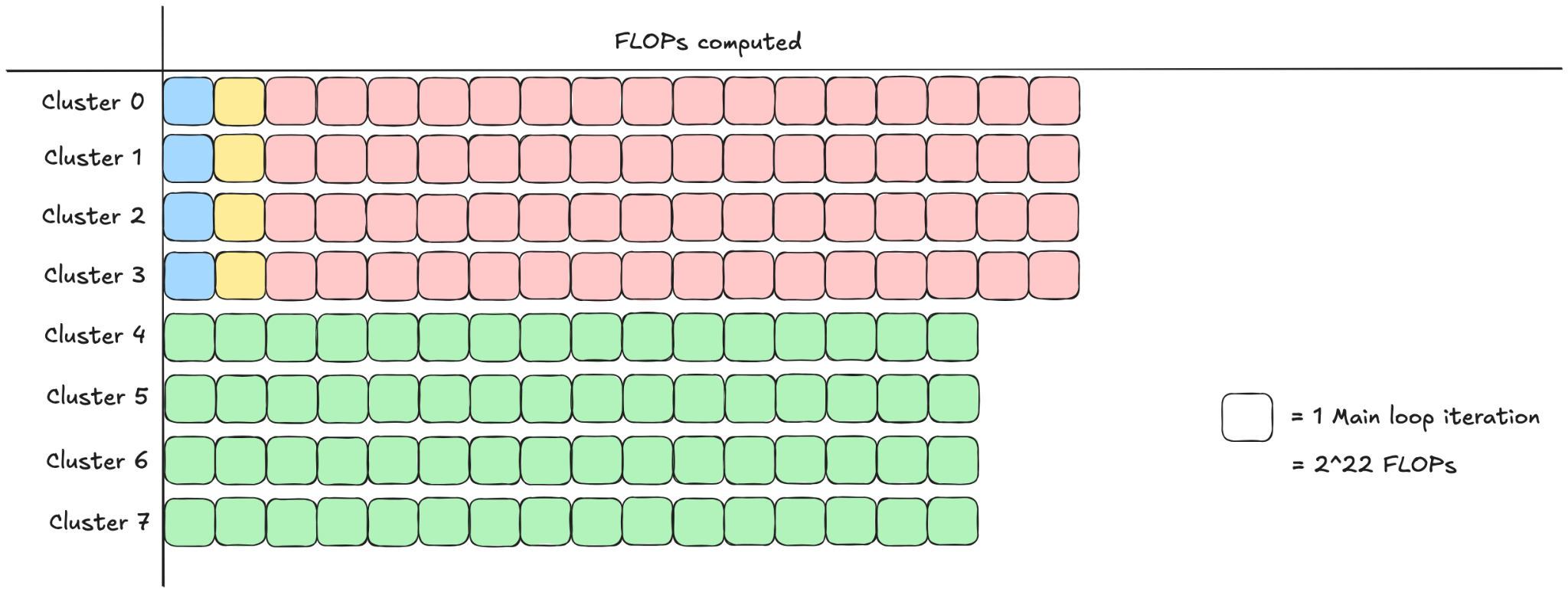
This blog post discusses Cluster Launch Control (CLC), a hardware-supported feature on NVIDIA Blackwell GPUs that facilitates optimal tile scheduling, in particular with respect to load balancing. To provide context, we first survey a few common scheduling strategies and the deficiencies CLC is designed to address. We then walk through the implementation-level details of using… Go to article…
-
FlexAttention + FlashAttention-4: Fast and Flexible (External)

In this PyTorch blog on which we collaborated, we explain the FlexAttention extension to FlashAttention-4 (or from another point of view, the incorporation of FA-4 as an attention backend for the PyTorch FlexAttention API). Go to article…
-
CUTLASS Tutorial: Hardware-supported Block-scaling with NVIDIA Blackwell GPUs

Welcome to part 4 of our series investigating GEMM on the NVIDIA Blackwell architecture. So far we have discussed the capabilities of the new Blackwell Tensor Core UMMA instructions, including handling sub-byte data types, and how to work with them in CUTLASS. In this part, we will continue our exploration of low-precision computation by discussing… Go to article…
-
CUTLASS Tutorial: Sub-byte GEMM on NVIDIA® Blackwell GPUs
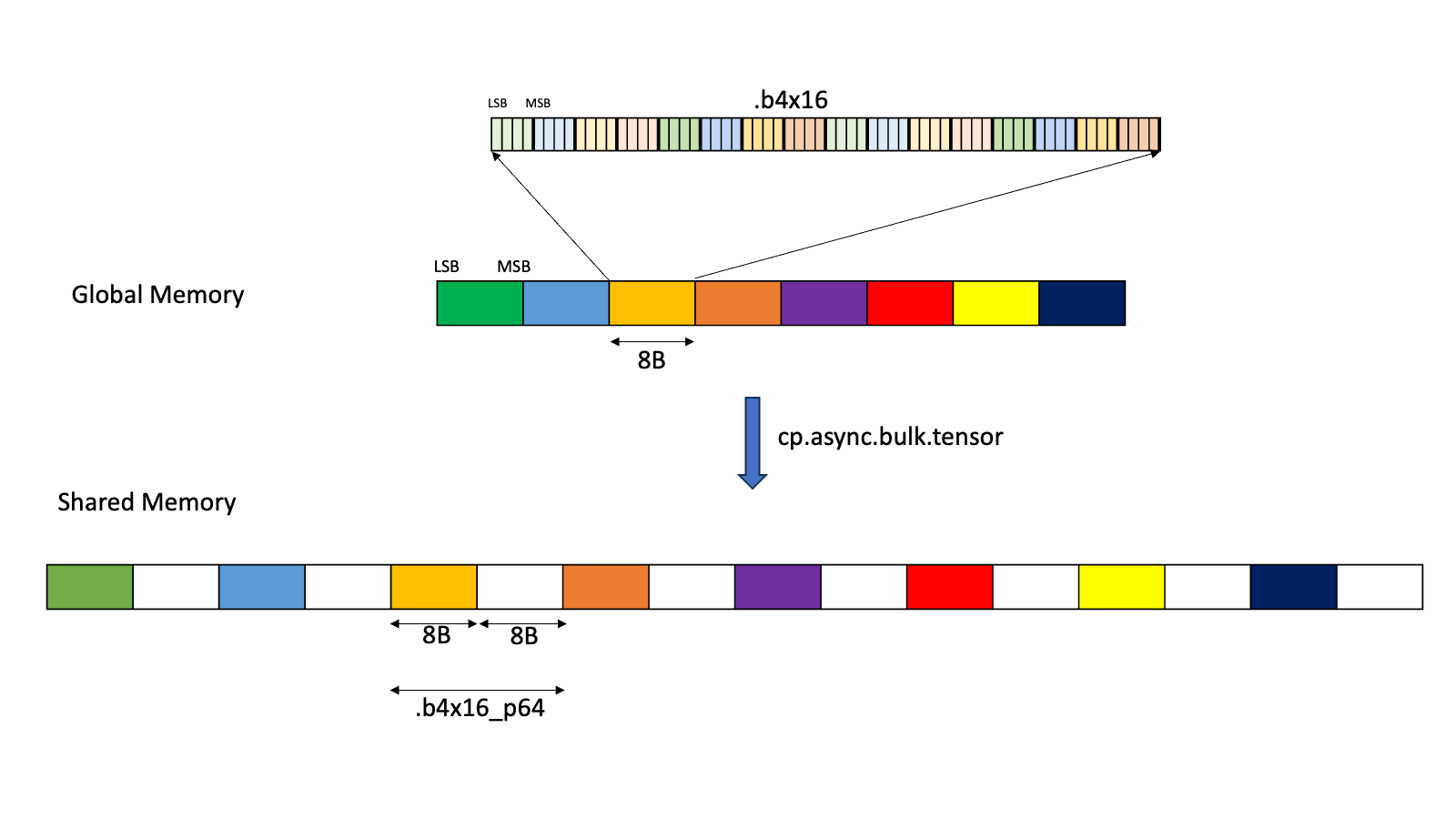
Welcome to part 3 of our series investigating GEMM on the NVIDIA Blackwell architecture. In parts 1 and 2, we looked at the Tensory Memory and 2 SM capabilities of the new Blackwell Tensor Core UMMA instructions and how to work with them in CUTLASS. In this part, we introduce low-precision computation and then discuss… Go to article…
-
CUTLASS Tutorial: GEMM with Thread Block Clusters on NVIDIA® Blackwell GPUs
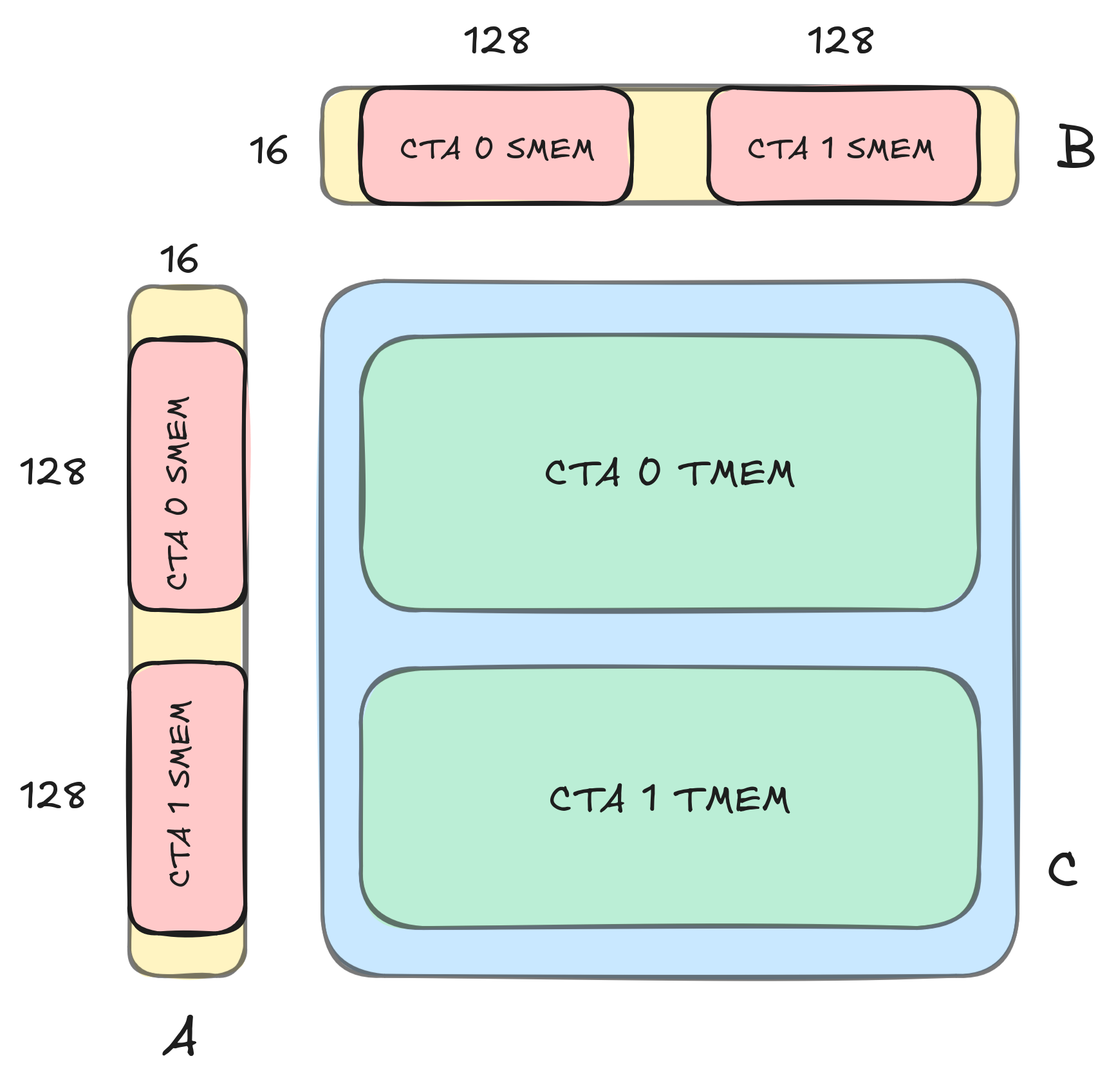
Welcome to part two of our series investigating GEMM on the NVIDIA Blackwell architecture. In part 1, we introduced some key new features available on NVIDIA Blackwell GPUs, including Tensor Memory, and went over how to write a simple CUTLASS GEMM kernel that uses the new UMMA instructions (tcgen05.mma) to target the Blackwell Tensor Cores.… Go to article…
-
CUTLASS Tutorial: Persistent Kernels and Stream-K
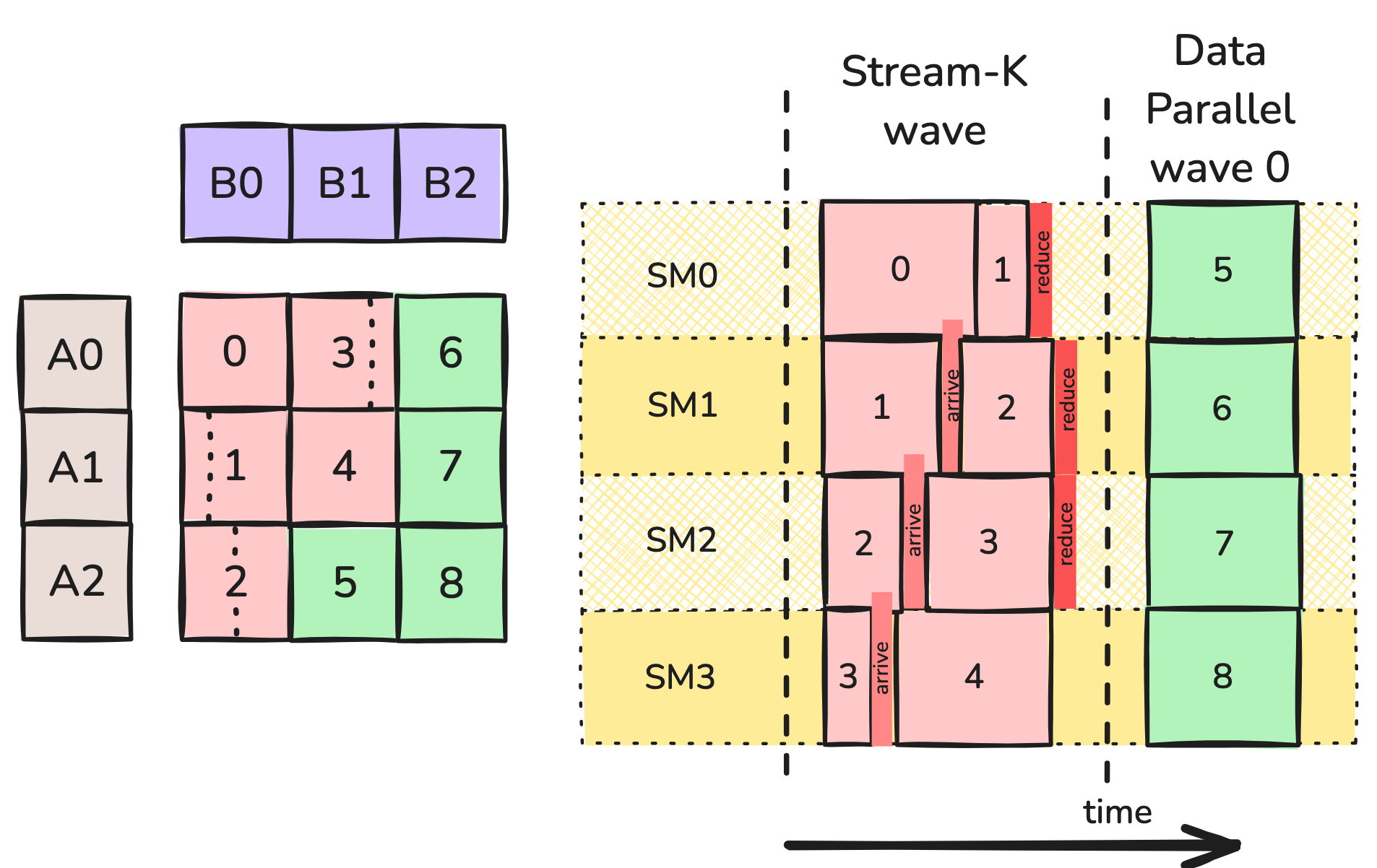
Welcome to Part 3 of our tutorial series on GEMM (GEneral Matrix Multiplication). In Parts 1 and 2, we discussed GEMM at length from the perspective of a single threadblock, introducing the WGMMA matmul primitive, pipelining, and warp specialization. In this part, we will examine GEMM from the perspective of the entire grid. At this… Go to article…